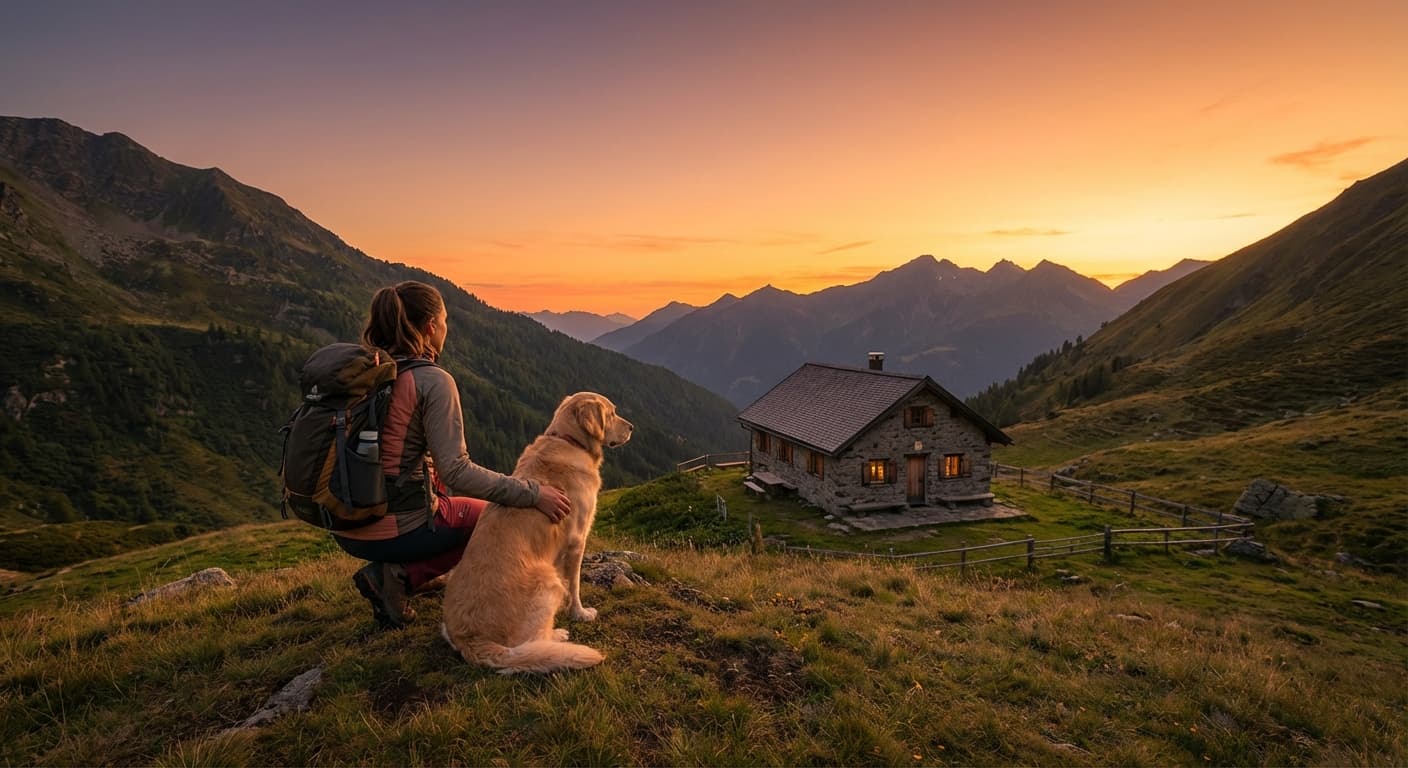
Do you dream of exploring the world, living like a local on the other side of the planet, but your accommodation budget is holding you back? Imagine staying in a villa in Tuscany, a cozy apartment in Copenhagen, or a house with a pool in Australia, all... without spending a dime on lodging. This isn't a fantasy; it's the reality of housesitting.
Housesitting is much more than a simple budget travel hack. It's a travel philosophy based on trust and exchange, allowing you to discover the world in a more authentic and immersive way. In exchange for looking after a home and, more often than not, its adorable pets, you get free accommodation. This comprehensive guide will reveal all the steps to become the house-sitter every homeowner is looking for.
What Exactly Is Housesitting?
The concept might seem too good to be true, but it's based on a simple, mutually beneficial principle. Let's break down this booming practice together.
A Simple Definition
Housesitting is a non-monetary service agreement between two parties:
- The homeowner: A person who is away from home for a vacation or business trip and needs someone trustworthy to look after their house and pets.
- The house-sitter: A traveler who commits to keeping the house in good condition, caring for the pets (feeding, walks, cuddles), and ensuring a secure presence in exchange for lodging.
The main benefit for the homeowner is peace of mind. Their pets stay in their familiar environment, avoiding the stress of a kennel, and the house is protected from burglaries and everyday mishaps (leaks, etc.). For the traveler, it opens the door to free travel accommodation and a unique experience.
More Than Free Lodging, a Life Experience
Reducing housesitting to just a way to save money would be a mistake. Above all, it's an opportunity to travel differently, more slowly, and more deeply.
- Live like a local: Forget impersonal hotels. You'll live in a real neighborhood, shop at the local market, discover your hosts' favorite café, and live at the pace of the local community.
- An engaging responsibility: Housesitting isn't a passive vacation. It's a commitment. The health and happiness of the pets entrusted to you are your priority. This responsibility makes the journey more meaningful.
- Unexpected connections: Whether it's with the homeowners via video calls or with neighbors during a dog walk, housesitting fosters genuine human connections.
The Unbeatable Advantages of Housesitting for Travelers
If you're still hesitant to take the plunge, here's a list of benefits that might just convince you:
- Massive savings: Accommodation often accounts for 30 to 50% of a travel budget. By eliminating it, you can either travel for much longer or afford activities you couldn't have otherwise considered.
- Comfort and space: Enjoy an entire house with a fully equipped kitchen to prepare your meals (more savings!), a living room to relax in, and often a garden or balcony.
- Animal companionship: For animal lovers, it's paradise. You get the affection of dogs, cats, or other animals without the lifelong commitment. It's genuine cuddle therapy!
- Discovering places off the beaten path: Housesitting opportunities aren't just in major tourist capitals. It's a chance to discover beautiful, less-crowded regions.
- Flexibility for digital nomads: A stable Wi-Fi connection, a comfortable workspace, and a quiet environment make it an ideal option for those who work remotely.
How to Get Started in Housesitting: Your Action Plan
Getting started can seem intimidating with all the competition. But with a methodical approach and a polished profile, you'll put all the odds in your favor.
1. Choose the Right Housesitting Platform
This is the first crucial step. Specialized platforms are the safest and most effective way to find sits. They generally operate on an annual subscription basis for house-sitters (homeowners sometimes pay too).
A few criteria for choosing your platform:
- Number of listings: Does the platform have numerous sits in the countries you're interested in?
- Features: Does it offer email alerts, an intuitive search map, an identity verification system?
- Subscription cost: Prices range from about €20 to over €150 per year. A higher price often means more listings and features (like a 24/7 vet hotline).
- Reviews and community: Read online reviews to learn about other users' experiences.
Among the most well-known are TrustedHousesitters, Nomador, and MindMyHouse, each with its own specific features.
2. Create an Irresistible House-Sitter Profile
Your profile is your shop window. It's what will make a homeowner want to entrust you with what's most precious to them. It must inspire trust, warmth, and professionalism.
- Profile photo: Choose a high-quality, smiling photo where your face is clearly visible. A picture of you happily interacting with an animal is a huge bonus.
- Catchy headline: Sum up who you are in one sentence. Examples: "Responsible traveling couple and cat lovers," "Quiet freelancer experienced with large dogs," "Active retirees ready to pamper your pets."
- Detailed and sincere description: This is the heart of your profile. Structure it in several paragraphs:
- Who are you? Talk about your personality (calm, tidy, dynamic...), your profession, or your situation (digital nomad, retired, on a sabbatical).
- Why housesitting? Explain your motivations. A love for animals, a desire to travel slowly, and discovering new cultures are excellent reasons.
- Your experience: Highlight any relevant experience. Have you owned pets? Have you ever looked after a friend's house? Do you have any gardening or DIY skills? Be specific.
- Photo gallery: Add several photos: you walking a dog, cuddling a cat, in a clean and tidy living space. Show, don't just tell.
3. Get References and Verifications
Trust is the currency of housesitting. A profile without references has little chance of being chosen.
- Identity checks: Complete all verification steps offered by the platform (ID, address verification, etc.). This adds a badge of trust to your profile.
- External references: Most platforms allow you to add external references. Ask former landlords, employers, or even friends for whom you've pet-sat to write a short text praising your seriousness and reliability.
4. Write an Application That Stands Out
Found the sit of your dreams? Don't sabotage yourself with a generic application message. Personalization is key.
- Read the entire listing: This is fundamental. Note the names of the homeowners and pets.
- Address them personally: Start with "Hello [Homeowner's Name]" rather than a vague "Hello."
- Mention the pets by name: Show you've paid attention. "I would love to take care of Max and Whiskers..."
- Respond to specific needs: If the listing mentions that a dog is anxious or a plant needs special care, explain how your experience meets that need.
- Be proactive: End your message by suggesting a video call to chat and get to know each other. This is an almost essential step in building trust.
Acing Your First Housesitting Gig: The Keys to Success
Congratulations, you've landed your first housesit! Here's how to ensure everything goes smoothly and earn a 5-star review that will open every door for you.
Before You Arrive: Communication is Key
Schedule a detailed video call with the homeowners a few days or weeks before their departure. Prepare a list of questions so you don't forget anything:
- Pet routine: Feeding times and amounts, walk schedules, any medications, favorite toys, what they're not allowed to do.
- Practical home info: Wi-Fi password, how to operate appliances, trash collection day, instructions for mail or plants.
- Emergency contacts: The vet's number, a trusted neighbor, a family member.
Ask the homeowner to prepare a "Welcome Guide" that summarizes all this information in writing.
During the Sit: Professionalism Above All
Once you're there, your mission is to follow the instructions to the letter and use common sense.
- Respect the routine: The absolute priority is the well-being of the pets. Their routine is sacred. Follow it scrupulously to minimize their stress from their owners' absence.
- Send updates: Send messages and photos of the pets regularly (daily or every other day, as agreed upon). Homeowners love this, and it reassures them immensely.
- Maintain cleanliness: Keep the house clean and tidy throughout your stay. Do the dishes, clean up after yourself, etc.
- Be hyper-responsive: If a problem arises, even a minor one (a broken object, a pet that seems under the weather), inform the homeowners immediately. Honesty and communication are paramount.
Departure: Leave a Memorable Impression
The way you leave the house is just as important as your stay.
- Clean thoroughly: Leave the house cleaner than you found it. Change the sheets and wash them, clean the bathroom and kitchen, and vacuum.
- Prepare for their return: Consider leaving some basic groceries (milk, bread) if the homeowners are returning late. It's a small, much-appreciated gesture.
- Leave a thank-you note: A simple card with a kind message is always a nice touch.
A positive experience will result in an excellent review, the golden ticket to your future housesitting adventures.
The Challenges of Housesitting and How to Overcome Them
Housesitting is a wonderful experience, but it's important to be aware of a few potential challenges.
- High competition: For popular destinations (Paris, London, the California coast...), the competition can be fierce. Solution: To get started, aim for shorter sits, in the off-season, or in less touristy locations to build up positive reviews.
- The responsibility: This isn't a hotel. You are responsible for the safety and well-being of living creatures. Solution: Be honest with yourself about your level of commitment. If you want to spend 12 hours a day exploring, a sit with a young dog that needs three daily walks is not for you.
- Unexpected events and cancellations: It can happen that a homeowner cancels at the last minute. Solution: Always have a plan B. Don't book non-refundable flights until you have firmly reconfirmed with the homeowner. Some platforms offer support in case of cancellation.
- Potential isolation: Some sits are in rural or isolated areas, far from any activity. Solution: Read the description of the area carefully. This is a perfect setup for a digital nomad who needs to focus on a project, but perhaps less so for someone looking to socialize.