The thrill of adventure, the discovery of new cultures, the freedom of the unknown... Traveling is one of the most enriching experiences you can have. However, this state of wonder and relaxation can sometimes make us vulnerable. Far from our familiar surroundings, we become prime targets for ill-intentioned people looking to take advantage of our naivety or lack of knowledge about local customs. From minor swindles to well-orchestrated schemes, travel scams can turn a dream trip into a bitter memory.
But don't panic! The key isn't to become paranoid, but to be prepared. Knowing the most common schemes is the best protection. This comprehensive guide is your shield: it details the most frequent traps, from transportation to accommodation, and gives you concrete strategies and modern tools to outsmart them. Arm yourself with this knowledge and ensure that your only surprises while traveling are good ones. Because good preparation is the cornerstone of successful travel safety.
Transportation Scams: Getting Around Without Getting Fleeced
Transportation is often the first and last contact you have with a destination. It's also a prime playground for scammers who take advantage of your disorientation upon arrival.
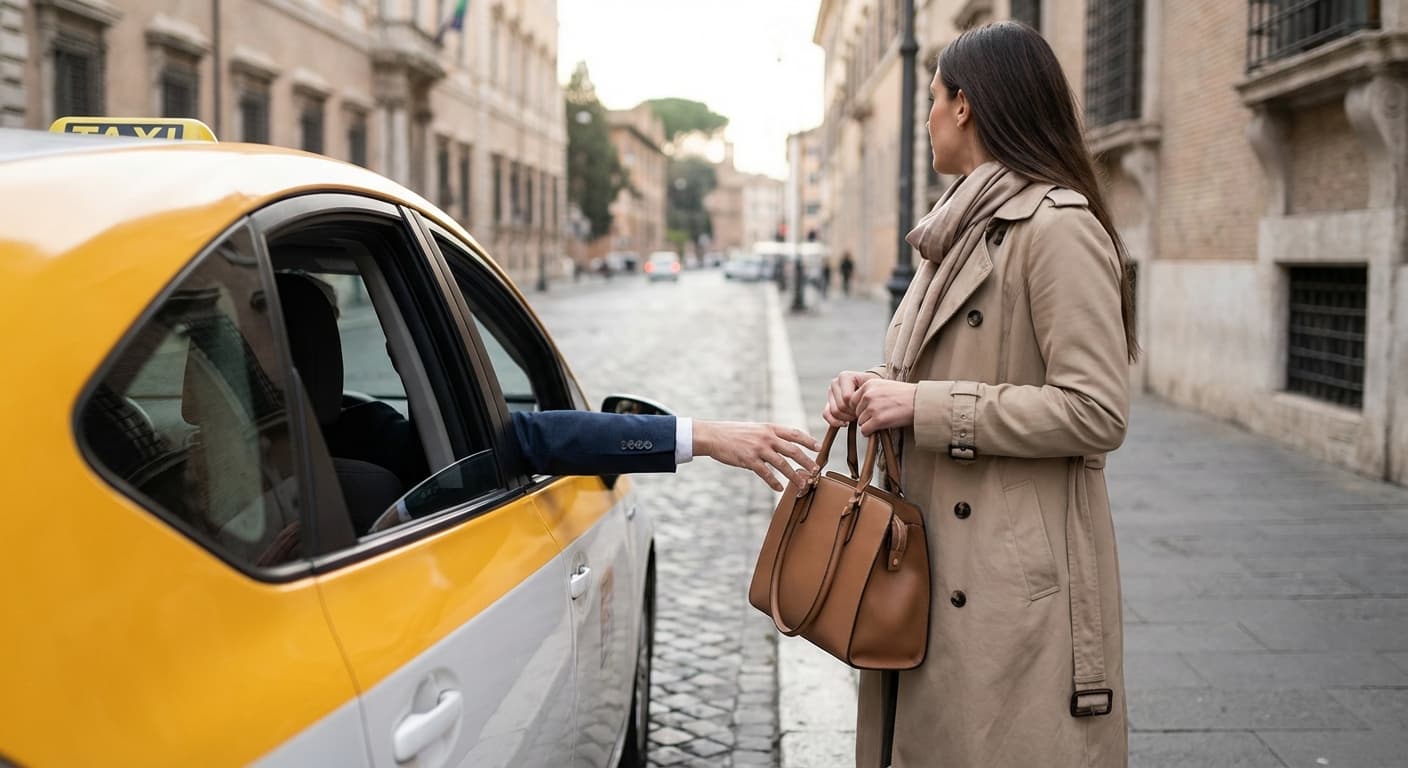
The Classic Taxi Scam
This is the all-time classic of tourist traps. You're tired, loaded down with luggage, and you just want to get to your hotel. This is when you need to be most vigilant.
-
The "broken" or "forgotten" meter: The driver claims their meter isn't working and offers you an exorbitant flat rate at the end of the ride.
- How to avoid it? Before you even get in, always insist that the driver turns on the meter. If they refuse, find another taxi. If a flat rate is the local norm (for airport trips, for example), agree on the price before you set off and confirm it several times. Don't hesitate to ask for an estimate at an official information desk before leaving the airport.
-
The unsolicited scenic route: The driver takes a much longer route than necessary, causing the meter fare to skyrocket.
- How to avoid it? Always have a GPS app (Google Maps, Maps.me) open on your phone with the route displayed. If you notice the driver deviating significantly from the route, call them out politely but firmly. Simply seeing that you are following the journey is often enough to discourage this practice.
-
The "closed" hotel or restaurant: You give your driver an address, and they claim the establishment is closed, out of business, or has a bad reputation. Coincidentally, they know another, much better place (where they get a commission).
- How to avoid it? Stand your ground. Insist on being taken to the address you requested. Tell them you have a non-refundable reservation or that friends are waiting for you there. If in doubt, call the hotel directly to confirm.
Comparison Table: Ride-Hailing Apps vs. Local Taxis
Using ride-hailing apps (Uber, Bolt, Grab in Asia, etc.) is often an excellent way to counter the taxi scam. Here's why:
| Feature | Ride-Hailing Apps (Uber, Grab, etc.) | Traditional Local Taxis |
|---|---|---|
| Price Transparency | Price is fixed and known in advance. No surprises. | Depends on the meter or negotiation. High risk. |
| GPS Tracking | Route is visible in real-time in the app. | No built-in tracking; requires your own GPS. |
| Payment | Automated via the app (credit card). | Often cash, risk of change-related issues. |
| Security | Driver and vehicle identification. Trip-sharing option. | Depends on local regulations. Less traceability. |
| Availability | Varies by city and regulations. | Generally available at strategic locations (airports, stations). |
Vehicle Rental Scams (scooter, car)
Exploring a region at your own pace by renting a vehicle is a real pleasure, but be wary of the contracts.
-
Pre-existing "damage": When you return the vehicle, the rental agent accuses you of causing a scratch or dent that was already there and demands an exorbitant amount for repairs.
- How to avoid it? Be meticulous. Before you leave, do a full walk-around of the vehicle (car or scooter) and take detailed photos and videos of every angle, focusing on any existing scratches, dents, or defects. Make sure the rental agent notes them on the condition report. Do this in their presence so they can't dispute it later.
-
Bogus insurance: You're sold expensive extra insurance that, in reality, covers almost nothing or duplicates the coverage you already have with your credit card.
- How to avoid it? Before your trip, check the insurance coverage included with your credit card (Visa Premier, Mastercard Gold, etc.). They often provide excellent coverage for car rentals. Read the rental agreement carefully before signing and politely decline any unnecessary options.
Accommodation Traps: From Dream to Nightmare
The place where you rest can also be a source of nasty surprises if you aren't careful when booking.
The Fake Hotel or Phantom Apartment
This is one of the cruelest scams. You arrive, exhausted from your journey, at the address of your booking only to discover that the hotel or apartment never existed. The website was a front, and your money is gone.
- The classic scenario: You find an incredible deal on a little-known website or through an ad on social media. You're asked to pay a deposit or the full amount via a direct bank transfer to "secure" the booking.
- How to avoid it?
- Use reputable platforms: Stick to sites like Booking.com, Airbnb, Expedia, etc. Their secure payment systems and customer service offer protection.
- NEVER pay outside the platform: If a host on Airbnb asks you to pay them via bank transfer, PayPal "Friends and Family," or Western Union, it's a major red flag. This is an attempt to bypass the platform's protections. Refuse and report them.
- Check the reviews: Be wary of listings with no reviews or only a few that are overly perfect and vague. Look for detailed, recent reviews from several different travelers.
- Play detective: Copy and paste the address into Google Maps and use the Street View feature to see if the building matches the photos. Do a reverse image search with the listing's photos to see if they've been stolen from another site.
- Beware of "too good to be true" deals: A luxury apartment in the city center for the price of a youth hostel? It's probably vacation fraud.
Hidden Fees and Last-Minute Changes
Less dramatic but just as annoying, this practice is designed to inflate your final bill. Upon arrival, you might be told about unmentioned "resort fees" or "cleaning taxes," or you could be given a lower-category room than the one you booked, with a plumbing problem cited as the excuse.
- How to avoid it? Read the full terms and conditions before confirming your payment. Print or save your booking confirmation, which details precisely what is included. If you're downgraded, don't let it slide: demand a proportional discount, compensation (like free breakfast or an upgrade for the rest of your stay), and, if necessary, contact the booking platform's customer service.
Street Scams: The Art of Distraction
Tourist areas are the stage for numerous scams based on psychology, distraction, and social pressure.
The "Friendship Bracelet" or Sprig of Rosemary
Near major monuments (like the Sacré-Cœur in Paris or the Duomo in Milan), someone approaches you with a big smile, grabs your wrist, and starts weaving a "friendship bracelet" from colorful thread onto it. Once the bracelet is tied on and impossible to remove, the smile vanishes, and they aggressively demand money. A variation is the "lucky" sprig of rosemary or a rose offered to a woman, for which her partner is then pressured to pay.
- How to avoid it? Prevention is your best weapon. Keep your hands in your pockets or your arms crossed when approaching these areas. Don't let anyone touch you or put anything in your hands. A firm and decisive "No, thank you" while continuing on your way without slowing down is the best response.
The Fake Petition
Often, a group of young people pretending to be deaf-mute will hand you a clipboard with a petition for a fictitious cause. While you're distracted reading and signing, an accomplice takes the opportunity to pick your pockets or go through your bag. After you've signed, they might also become aggressive and demand a "donation."
- How to avoid it? Politely ignore them and keep walking. Never stop to sign a petition on the street, no matter the cause they're promoting. Always keep your bags closed and in front of you in crowded areas.
The Accidental Stain "Cleaner"
Someone bumps into you and "accidentally" spills sauce, a drink, or even fake bird droppings on your jacket. The person is terribly sorry and rushes to help you clean it up. During this diversion, they or an accomplice steal your wallet or phone.
- How to avoid it? Firmly and loudly refuse any help. Say "No, I'm fine!" and quickly move away from the person. Find a safe place like a café or a shop to clean yourself up and immediately check that you still have all your valuables.
Technology and Apps for Safer Travel
Fortunately, technology is your best ally for safe and budget travel. Here are some essential tools to download before you go.
Planning Your Itinerary and Getting Around
One of the best ways to avoid scams is to look confident and know where you're going. Using the right local travel apps is crucial.
- Google Maps / Maps.me: Essential. Google Maps provides real-time traffic and public transit information. Maps.me is great for its offline maps: download the map of your destination before you leave, and you'll be able to navigate without an internet connection.
- Citymapper: In the major cities it covers, this app is the king of public transportation. It compares all modes of transit (metro, bus, ride-hailing, bike, walking) in real-time to give you the fastest and cheapest option.
Comparison Table: Essential Travel Apps
| Category | Recommended App | Key Feature | Security Advantage |
|---|---|---|---|
| Navigation | Maps.me | 100% offline maps | Helps you navigate without a connection, so you don't look lost. |
| Ride-Hailing | Uber / Grab / Bolt | Fixed price and GPS tracking | Eliminates taxi meter and detour scams. |
| Money | Revolut / N26 | Real exchange rates, notifications | Control spending, instantly freeze your card. |
| Communication | Google Translate | Photo/voice translation | Better understand and be understood, avoiding misunderstandings. |
| Bookings | Booking.com / Airbnb | Review system and secure payment | Protects against phantom accommodations and fraud. |
Managing Your Money and Payments
-
Rigged ATMs: Criminals install "skimmers" on card slots to copy your data and tiny cameras to film your PIN.
- How to avoid it? Prefer ATMs located inside bank branches. Before inserting your card, gently tug on the card reader and the keypad cover. If they move or seem loose, don't use the machine. Most importantly, always cover the keypad with your other hand when you enter your PIN.
-
The "special tourist" exchange rate: Currency exchange offices advertising "0 commission" often make up for it with very unfavorable exchange rates. The worst offender is "dynamic currency conversion": when paying by card, the terminal offers to charge you in your home currency (e.g., EUR) rather than the local currency. This is a trap that applies a disadvantageous exchange rate.
- How to avoid it? ALWAYS decline dynamic currency conversion. Choose to pay in the local currency (THB in Thailand, USD in the United States, etc.). Your bank will apply a much better rate. For exchanging cash, avoid kiosks in airports and on main streets. It's better to withdraw money from an ATM at a reputable bank.